
Why Kenyan Bracelets Are a Unique Find
The Appeal of Kenyan Craftsmanship
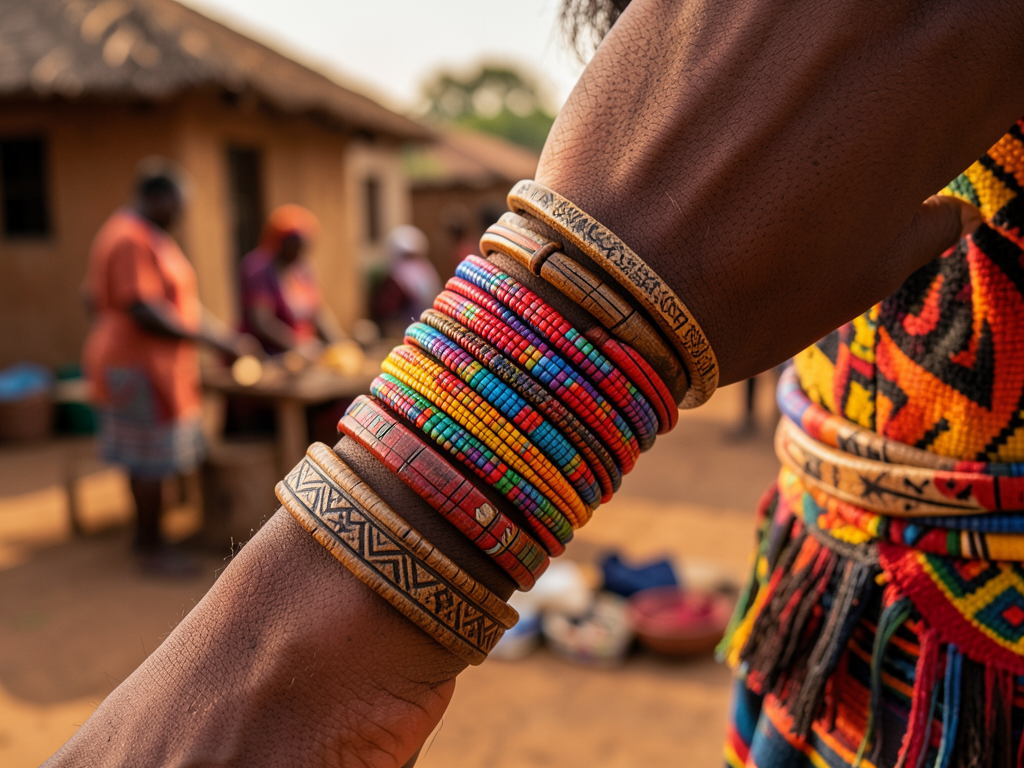
When you think about Kenyan bracelets, they’re not just pretty trinkets; they’re real slices of culture shaped by time-tested traditions. Every tribe adds its own flavor—take the brilliant Maasai beadwork, the intricate carvings of Kikuyu wooden bangles, or the earthy clay and shell crafts from the Turkana people. Each piece is created using techniques that have been lovingly passed down through the ages, making every bracelet a living story of heritage and talent.
For instance, Maasai colors like fierce reds and calming blues flash vibrant identity messages, while Kikuyu artisans work wood with a respect for nature, steering clear of harmful chemicals. And those Turkana creations? They’re a testament to the land, made from local clay and shells, resulting in striking pieces that echo the beauty of Lake Turkana. It’s this rich variety that gives Kenyan bracelets a leg up in the worldwide marketplace—perfect for those in search of meaningful, hand-crafted artistry.
The Rich Symbolism Behind the Craft
These bracelets go way beyond just looking good; they carry deep-rooted meanings. Think about it: the colors and patterns often communicate more than meets the eye, telling stories of social statuses or significant life events. For example, in Maasai culture, red is not just a color—it’s a bold declaration of bravery and warrior spirit, while blue is all about vitality and safety. Kikuyu artisans might etch in tribal symbols that connect to family lineage or cultural beliefs. So, when you snag a Kenyan bracelet, you’re not merely making a fashion statement; you’re becoming part of a narrative that’s all about honoring living traditions. This is exactly what sets Kenyan bracelets apart from the sea of mass-produced jewelry—they’re perfect for those who cherish the stories woven into their wardrobe.
How to Buy Kenyan Bracelets Online
Finding the Right Vendors
With demand for Kenyan artisan jewelry on the rise, let’s face it, so are the knock-offs. If you want the real deal, keep an eye out for Fair Trade certifications, collaborations with local collectives, and vendors who are upfront with their sourcing practices. Take brands like Jengo Designs and Ethical Market Kenya—they’ve got direct lines to the artisans, ensuring fair pay and culturally sound practices. Plus, many ethical sellers put in the extra effort by sharing artisan bios—so you really connect with the story of each piece. But watch out for suspiciously low prices or vague product descriptions—those are big red flags indicating mass-produced fakes. Always check that the vendor is committed to sustainability, like opting for eco-friendly packaging or backing local education projects.
Top Spots for Shopping Kenyan Bracelets Online
| Platform | Key Features | Why It Stands Out |
|---|---|---|
| Jengo Designs | Directly supports Maasai cooperatives | 100% of profits fund local schools |
| Ethical Market Kenya | Fair wages, natural materials | Handcrafted delivery in just two weeks! |
| Etsy | Global marketplace for Kenyan artisans | Filter under “Made in Kenya” |
Pro Tip: When browsing on Etsy, try searching for “Maasai beaded bracelet” or “Kenya Fair Trade jewelry” to refine your search. Plenty of Kenyan artisans have dedicated online shops, where you can chat and even customize your new favorite piece!
The Ethical and Sustainable Difference
Supporting Communities with Your Purchase
Shopping for Kenyan bracelets online isn’t just a way to look stylish—it’s a choice with real impact. When you buy from certified fair-trade platforms, your bucks go directly to community initiatives. Take for instance, 30% of sales from Maasai Women’s Association beadwork goes toward scholarships for girls, and Kaya Tree Jewellery plants a tree for each wooden piece sold. These ventures help create self-sustaining economies, putting power back into the hands of artisans without the exploitative middlemen. Additionally, your purchase can help improve healthcare access and jumpstart infrastructure in distant areas. By choosing jewelry made with care, you’re becoming an advocate for economic independence and the preservation of cultural heritage.
Sustainability Matters
When it comes to sustainability in Kenyan artisan jewelry, it’s all about how materials are sourced. Many artists use local treasures like zebrawood, moringa seeds, or even recycled materials, steering clear of nasty synthetic plastics. Brands like Ethical Market Kenya are doing their part too, opting for biodegradable packaging and carbon-neutral shipping to lessen environmental footprints. Of course, not every vendor sticks to these high standards—always double-check product descriptions for eco-certifications or details about materials. And steer clear of vague phrases like “traditional African design” that lack specific cultural or ethical context; they can often signal a less-than-authentic product.
Watch Out: Counterfeit Jewelry
It’s becoming a real issue that some replica jewelry is trying to pass itself off as “authentic Kenyan design.” Often made overseas at a fraction of the cost, they can be tough to spot. So, to avoid falling for these traps, don’t hesitate to ask vendors for proof of origin—handwritten notes, tags from artisans, or pictures of the makers often give you that extra assurance.
Buyer’s Guide: How to Select the Ideal Kenyan Bracelet
Step-by-Step Shopping Tips
- Define Your Intent:
- Buying a gift? Go for symbolic pieces—like a prosperity bracelet to mark a career boost or wedding bands for newlyweds.
- For yourself? Look for bold pieces, like multi-strand Maasai necklaces or cuff bracelets crafted from wood.
- Choose Your Material:
- Glass beads: These are sturdy and colorful, perfect for everyday wear.
- Wood: Lightweight and allergy-friendly—great for sensitive skin.
- Clay: Textured and unique but less stretchy—better for special occasions.
- Get Your Measurements Right:
- Use a flexible tape measure or some string to find out your wrist size. If your size strays from the standard 6.5–7.5 cm, take note!
- Look for customization options—especially handy for wooden or layered styles.
- Consider Shipping Details:
- International shoppers should make sure to know about customs policies and return windows—many responsible brands offer returns within 30 days.
Real-World Stories
Case Study 1: Learning from Beads
When Sarah from London bought a Maasai bead bracelet through Jengo Designs, she discovered that 20% of her money would build a new classroom in Narok, Kenya. The vendor included a heartfelt note from artisan Lety, sharing how her craft led to her daughter getting enrolled in school. This kind of transparency forged a real connection between buyer and maker, emphasizing the purchase’s ethical weight.
Case Study 2: Eco-Friendly Finds on Etsy
In Sydney, James stumbled upon Kenyan artisan jewelry via Etsy, selecting a clay bracelet from Beaded Dreams. The listing highlighted its 100% biodegradable materials and recycled packaging, aligning perfectly with his eco-conscious values. Later on, he shared the joy of his purchase on social media, celebrating how small decisions can drive ethical fashion trends forward.
FAQs About Buying Kenyan Bracelets Online
1. Can I buy Kenyan bracelets online and truly support local communities?
Absolutely! Just keep an eye out for Fair Trade certifications or partnerships with artisan cooperatives. Vendors like Jengo Designs ensure profits go towards community initiatives, creating real impact.
2. How do I confirm a bracelet’s ethical origins?
Look for artisan bios, clear material transparency, and an absence of synthetic plastics. Be cautious with sellers using generic phrases like “African-inspired” that lack cultural specifics.
3. What’s the best way to style Kenyan bracelets?
Pair them with simple outfits to let their vivid colors pop! For special events, layer beaded cuffs with matching earrings or necklaces for a chic, cohesive vibe.
4. Are there warranties for handmade bracelets?
Typically no—most handcrafted items aren’t mass-produced, so warranties can be rare. That said, many ethical brands do offer risk-free returns to save you from buyer’s remorse.
5. Can I order custom designs?
Sure thing! Many artisans on Etsy or Ethical Market Kenya are open to custom requests. Just reach out to the seller to chat about colors or patterns you have in mind.
In Closing
Kenyan bracelets aren’t just fashionable; they’re gateways to cultural appreciation and global community support. By putting your money into authentic vendors, diving deep into artistic significance, and backing sustainable options, you’re making purchases that enrich both your wardrobe and the lives of the artisans behind these crafts. Whether a beaded Maasai bracelet or a Kikuyu wood bangle, every piece carries a legacy worth honoring. With the ethical fashion space continuing to grow, smart shoppers play a pivotal role in ensuring that Kenyan artisanry flourishes, marrying cultural heritage to contemporary style. Dive into this journey by checking out platforms like Jengo Designs or Ethical Market Kenya—where every purchase whispers a tale of empowerment.